The global semiconductor industry is currently undergoing a period of profound structural transformation, driven by the convergence of explosive demand for artificial intelligence (AI) infrastructure, geopolitical realignment of manufacturing footprints, and a fundamental shift in capital allocation strategies among leading integrated device manufacturers and foundries.
A central event in this evolution is the signed Letter of Intent (LOI) by Micron Technology to acquire the P5 fabrication site from Powerchip Semiconductor Manufacturing Corporation (PSMC) in Tongluo, Taiwan, for a total cash consideration of US$1.8 billion.[1, 2, 3] This transaction, which is anticipated to close by the second quarter of calendar year 2026, represents more than a mere transfer of industrial real estate; it is a strategic acceleration of Micron’s capacity expansion plans, moving away from the multi-year lead times associated with greenfield projects toward the immediate operational potential of a brownfield asset.[4, 5] The implications of this acquisition extend deep into the supply chains of both Dynamic Random-Access Memory (DRAM) and logic Integrated Circuits (ICs), reflecting an industry-wide prioritization of high-margin AI-related production over legacy market segments.[4, 6]
This article will discuss: 1. Details of the deal; 2. PSMC’s Industrial Metamorphosis; 3. Strategic Cooperation and Niche Development; 4. Implications for the Global DRAM Supply Chain; 5. Impact on Logic IC Supply and the Foundry Ecosystem; 6. Geopolitical Resilience and Supply Chain Diversification:
1. Transactional Architecture and Financial Framework
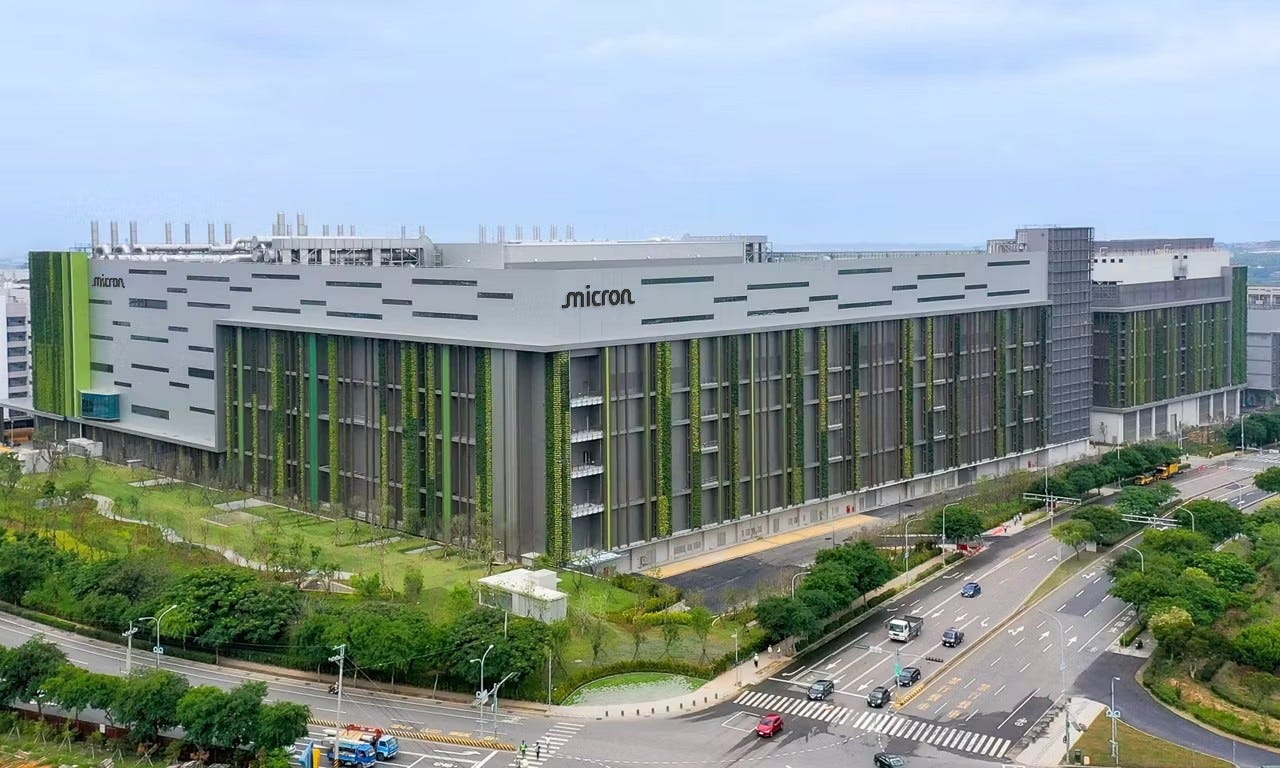
The acquisition focuses on the P5 fabrication site situated within the Tongluo Science Park in Miaoli County, Taiwan.[2, 7] The core asset is a 300mm wafer fabrication cleanroom encompassing approximately 300,000 square feet.[1, 3, 8] For Micron, the purchase price of $1.8 billion facilitates a cost-efficient entry into a facility that is already structurally complete, allowing the corporation to bypass the initial construction and infrastructure development phases that typically consume three to five years.[5, 9] The proximity of the Tongluo site to Micron’s existing high-volume manufacturing operations in Taichung is a critical logistical factor, enabling the realization of substantial operational synergies through shared supply chains, centralized engineering support networks, and streamlined inter-site logistics.[3, 7, 10]
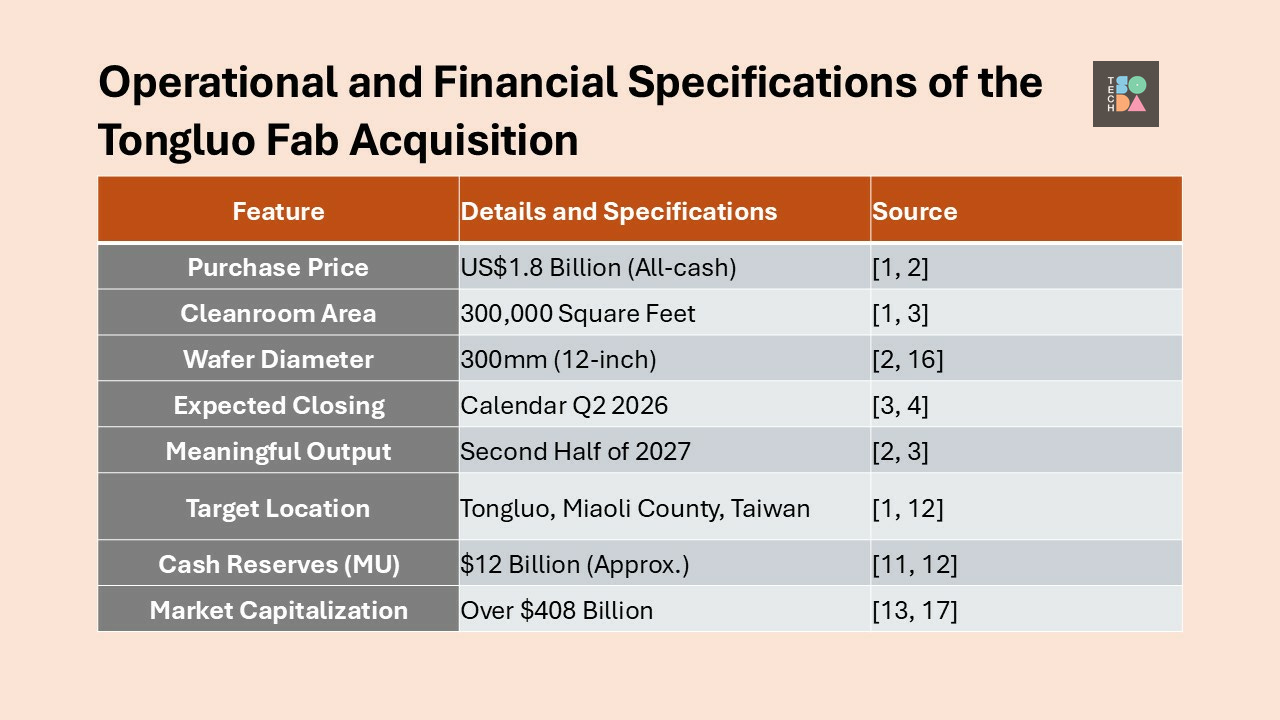
The financial structure of the deal is an all-cash transaction, a move supported by Micron’s robust liquidity position, which was reported at approximately $12 billion in combined cash, marketable securities, and restricted cash at the end of its most recent fiscal quarter.[11, 12] This liquidity allows Micron to pursue aggressive inorganic growth while simultaneously maintaining its $100 billion long-term commitment to the New York megafab project and other global expansions, such as the planned investments in Japan and Boise, Idaho.[8, 13, 14, 15]
The integration of the Tongluo site into Micron’s existing Taiwan cluster is expected to create a highly efficient production loop. The proximity to the Taichung site allows for the seamless transfer of wafers to back-end assembly and testing facilities, which is particularly critical for HBM production that requires complex 3D packaging and advanced thermal management technologies.[9, 12]
2. PSMC’s Industrial Metamorphosis: From Mature Foundries to Specialty AI Services
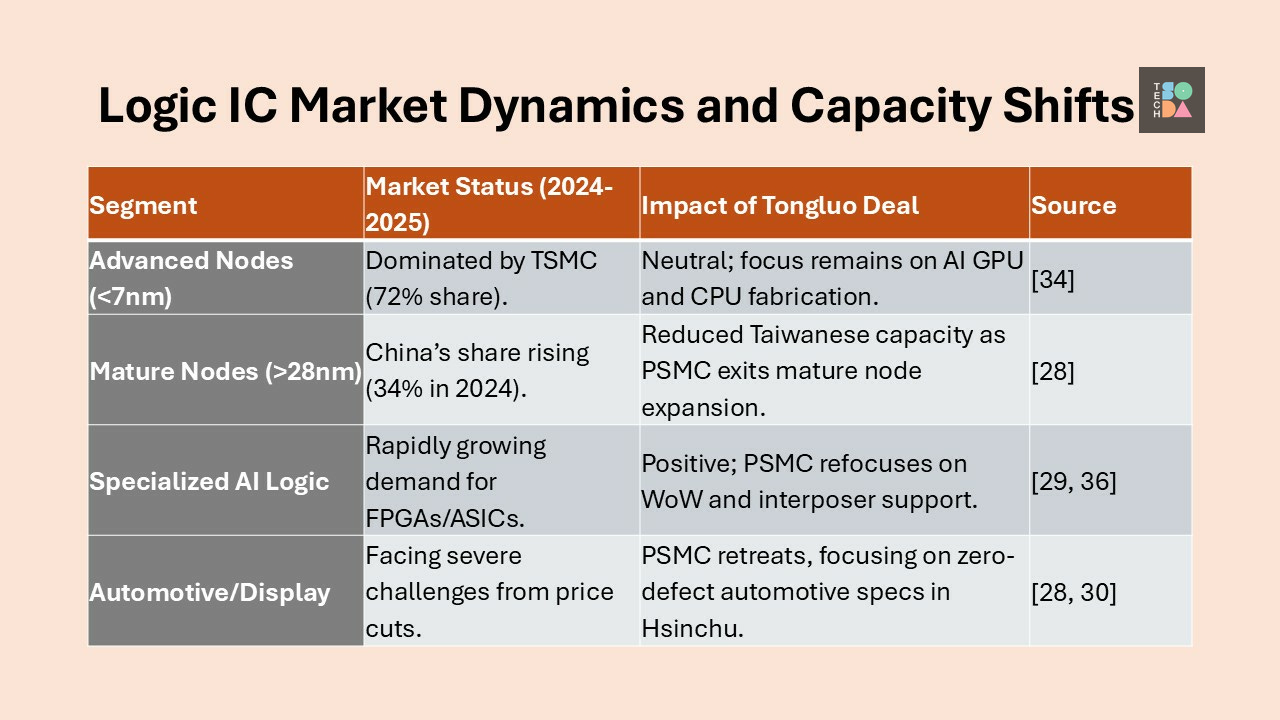
For PSMC, the divestiture of the P5 fabrication site is not merely a sale of a non-performing asset; it represents a calculated retreat from the increasingly commoditized and price-sensitive mature node logic foundry market. The competitive landscape for 28nm, 40nm, and 55nm logic technologies has faced intense pressure from Chinese foundries such as SMIC, Hua Hong, and Nexchip.[28] These entities, backed by significant state funding, have pursued aggressive capacity expansion and price-cutting strategies to win market share in automotive and consumer electronics components.[28]
The Strategic Retreat from Mature Logic Nodes
PSMC Chairman Frank Huang has articulated a clear vision that mature-node foundries must transform their business models or risk being marginalized by Chinese industrial policy.[28] In 2024, China’s share of global mature node manufacturing capacity reached 34%, and it is projected to surpass Taiwan’s share within the next few years.[28] By selling the P5 site to Micron, PSMC secures 1.96 billion in the second quarter of 2024 due to high depreciation and low utilization at the new Tongluo fab.[20, 29]
This move allows PSMC to pivot toward an “asset-light” business model.[9] The company is reorganizing its remaining resources—comprising three 12-inch and two 8-inch fabs—to focus on high-value-added foundry products required for the AI ecosystem.[29, 30]