
The Dexterous Future: How Alberta’s Sarcomere Dynamics is Redefining Robotic Interaction at Innovex 2026
Why the Future of ‘Embodied AI’ is Landing in Taiwan’s Manufacturing Hub
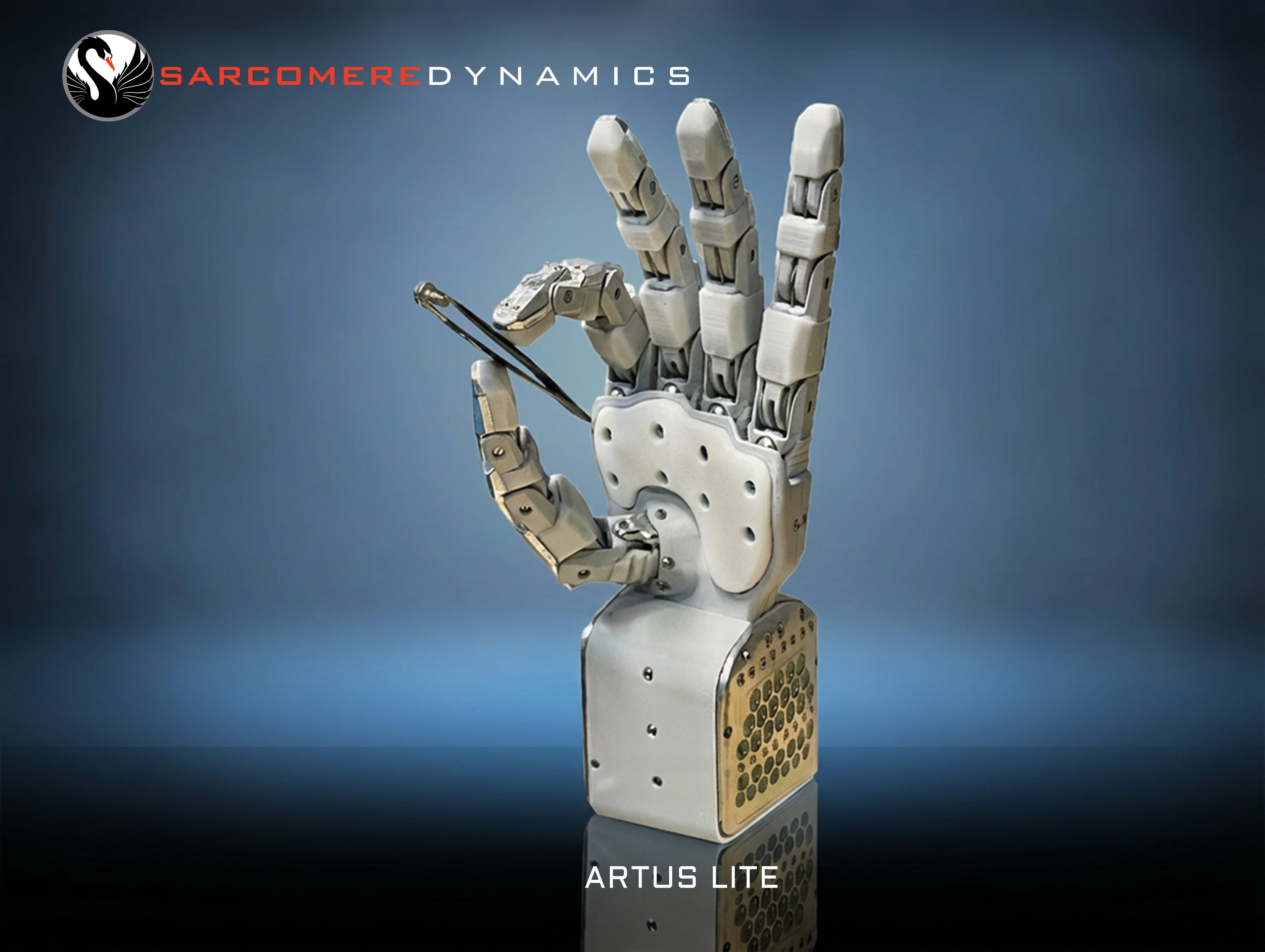
Amidst the neon glow and high-octane energy of Innovex 2026, a quiet revolution in “Embodied AI” is to take place at the Sarcomere Dynamics booth. While many robotics companies focus on how a machine moves from point A to point B, this Alberta-based Canadian startup is obsessed with what happens once the robot arrives. Their flagship technology, the ARTUS hand, is a masterclass in biomimicry, designed to grant machines the same level of dexterity that humans have spent millennia perfecting.
The Vision: A Family Mission for Global Impact
The story of Sarcomere Dynamics is as much about human connection as it is about mechanical joints. Founded in 2021, the company was born from a capstone project at the University of British Columbia. Avtar Mandaher, the founder and Chief Technology Officer, sought to build a more sophisticated yet economical prosthetic for upper-limb amputees. When the 11-degree-of-freedom prototype's complexity caught the attention of industrial leaders, the project shifted gears to address the global labour shortage.
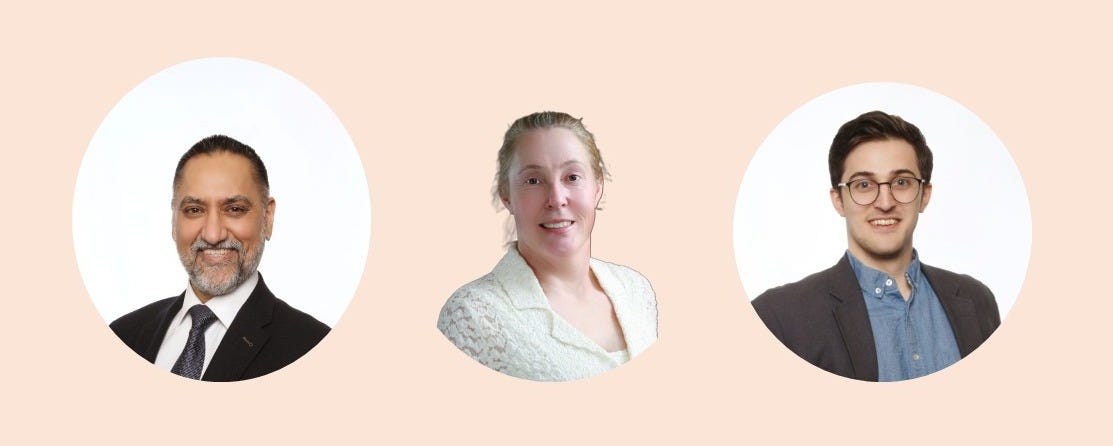
Harpal Mandaher, a 32-year veteran of the Canadian Armed Forces and a co-founder of the company, describes the transition as a natural evolution. Joined by his wife Nancy (a 28-year veteran and a retired nurse), and their son Avtar, the trio formed a startup that sits at the intersection of medical necessity and industrial utility. “The human hand is the standard,” Mandaher notes, pointing to the 25 to 27 individual movements—known as degrees of freedom—that allow us to interact with our world. Replicating this on a machine is widely considered the “Holy Grail” of automation because of the sheer density of motors, sensors, and cables required.
Breaking the “Holy Grail” of Engineering
The ARTUS hand, to be showcased at Innovex in Taipei, is a technical marvel that packs 20 articulated joints into a form factor identical to a human hand. Weighing between 1.1 kg and 1.4 kg, it is light enough to be mounted on a standard 5 kg payload robotic arm without “maxing out” the machine’s capacity. This efficiency is critical for modern warehouses; a heavy robotic hand leaves no room for the weight of the actual product to be moved.
What sets the ARTUS hand apart is its integration of materials and sensing technology. While it can be 3D-printed for lighter tasks, the industrial version utilizes aircraft-grade aluminum to handle payloads up to 20 kg for heavier industrial sorting.
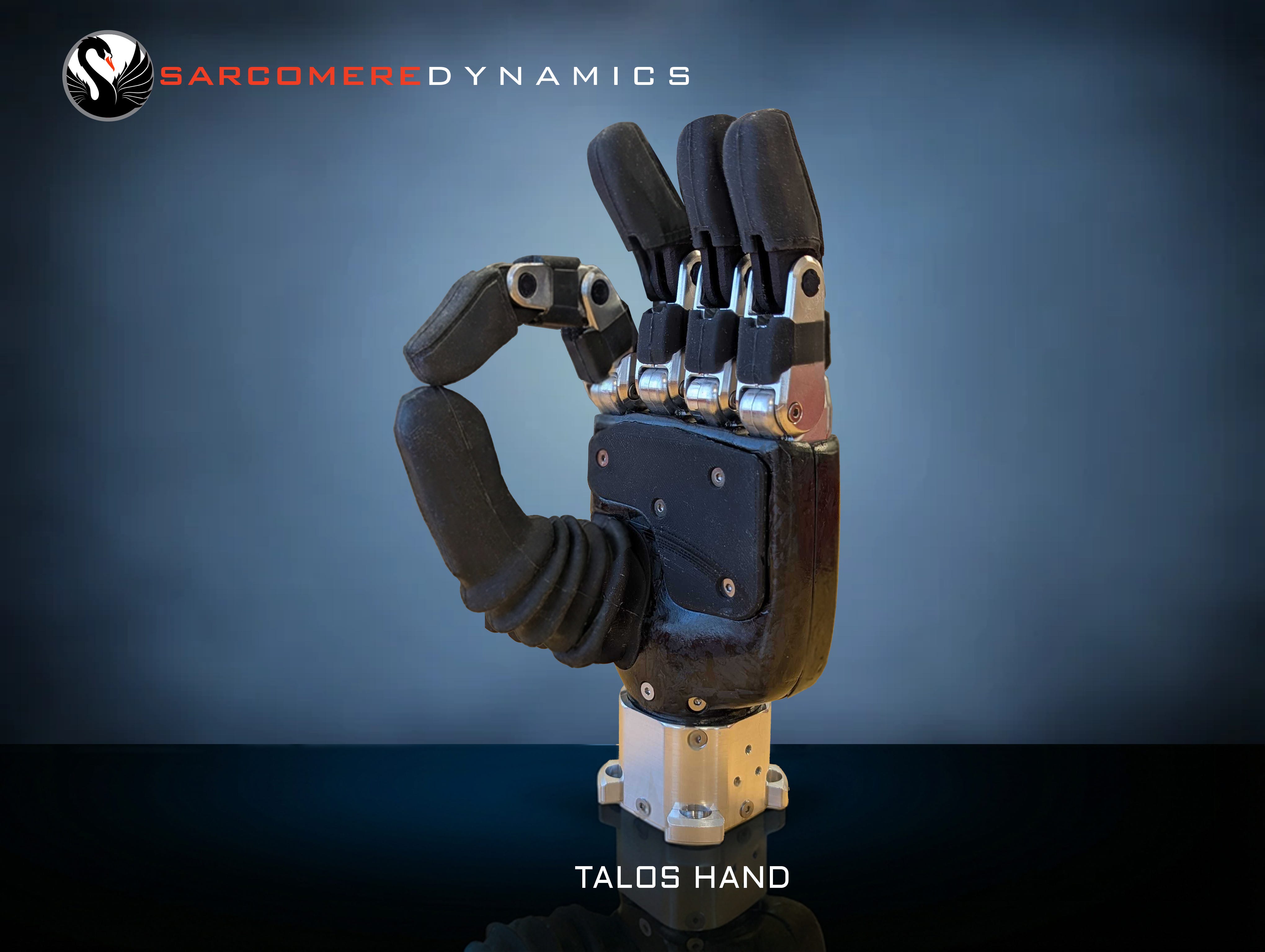
However, strength is nothing without feeling. In a landmark collaboration with the German firm Nanosen, Sarcomere is developing an “artificial skin” for the hand. Unlike traditional robots that rely on point sensors at the fingertips, this technology covers the entire surface of the hand in a thin sensor layer. This allows the robot to detect a brush against its palm or a touch on the back of the hand, enabling it to pause or react to human presence—a vital feature for the growing field of collaborative robotics (cobots).
Safety in the Danger Zone: Teleoperation and Haptics
One of the most compelling applications for Sarcomere’s technology is in environments that are too dangerous for human life. At the World Nuclear Exhibition, the company demonstrated how its hands could be used for decommissioning hazardous sites or handling radioactive waste.
Traditional “pincher” grippers used in the nuclear industry require months of training and offer limited precision. Sarcomere’s solution uses teleoperation with a haptic glove. Through a “one-for-one mapping” system, an operator in a safe location wears a control glove that transfers their movements onto the robotic hand. If the robot touches a chemical beaker or a piece of debris, sensors transmit that data back to the glove, where tiny bubbles inflate to give the operator a genuine sense of touch.
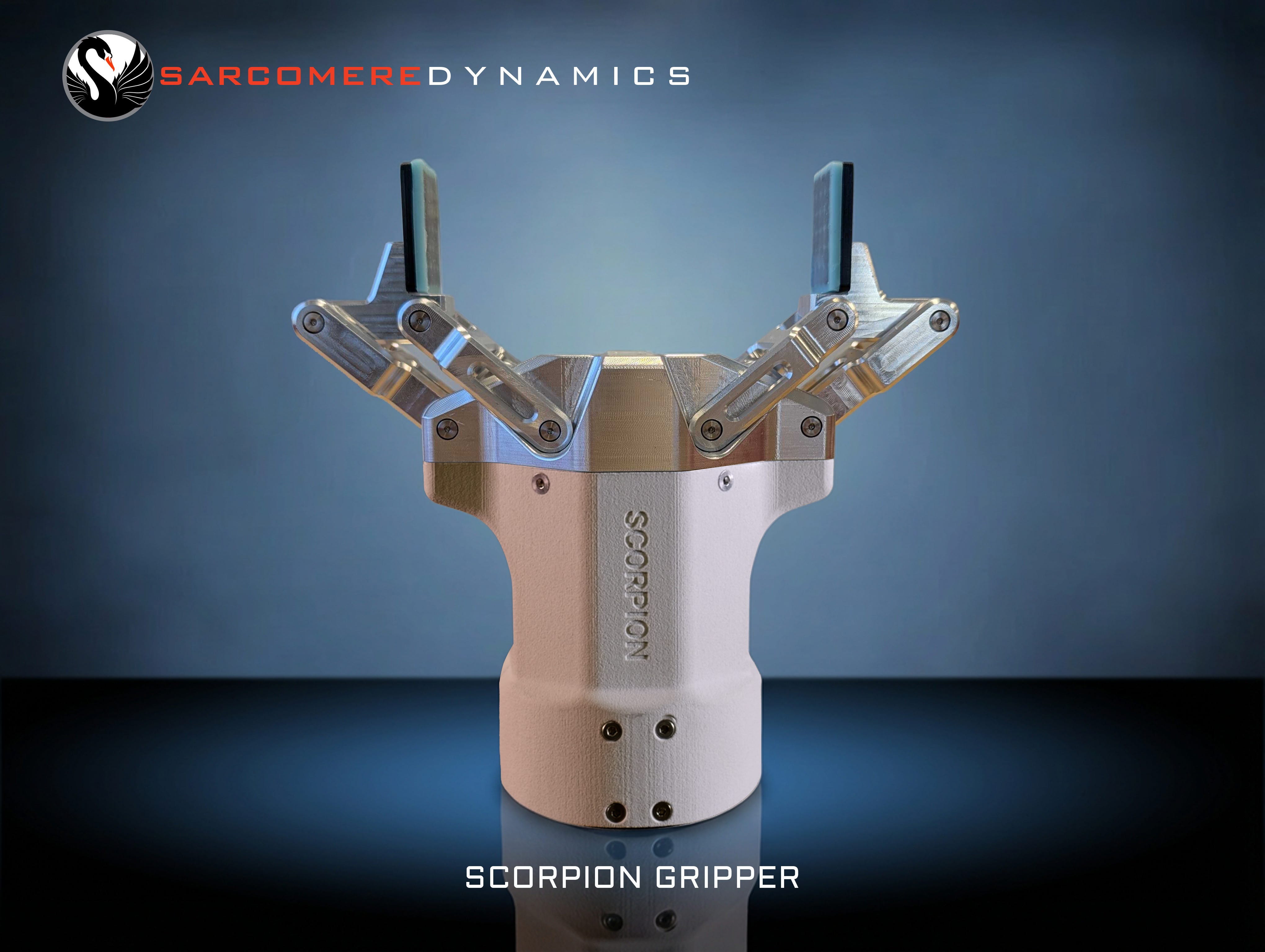
“It’s intuitive,” Mandaher explains. “You don’t need prior training. You just reach in and grab it as you would with your own hands”. This technology, developed in part through a challenge from the Canadian Department of National Defence, has immediate applications in bomb disposal, chemical mixing, and deep-sea exploration.
The Taiwan Connection: Scaling Deep Tech
Sarcomere Dynamics’ presence at Innovex 2026 is a strategic move to tap into Taiwan’s world-class manufacturing ecosystem. Mandaher is open about the company’s goals: securing supply chain resilience, exploring the potential to outsource manufacturing and assembly to Taiwan’s world-class OEM ecosystem “Supply chain partners” means everything from circuit boards and edge compute systems to specialized gearboxes.
“We want to find economies with partners in Taiwan,” Mandaher stated, noting the potential to outsource assembly to local OEM manufacturers. But the interest goes beyond manufacturing.
The company is actively seeking collaborators in the realm of “Embodied AI”—the brains that will eventually allow these hands to function autonomously without human involvement. By pairing their dexterous hardware with Taiwan’s expertise in machine vision and point-cloud technology, Sarcomere hopes to create a unit that can “think” and “react” to the environment in real-time. This is where the real magic will happen: autonomous synthetic labour to address global labour shortages.
A Return to Roots
Despite the high-tech industrial focus, the company has not forgotten its original mission. Sarcomere continues to run parallel research into affordable prosthetics. In the West, advanced prosthetic hands can cost as much as US$70,000—a price point that is inaccessible for the vast majority of the world.
By leveraging supply chain efficiencies in Taiwan and the advancements made in their industrial line, Sarcomere aims to bring the cost of a prosthetic hand below US$8,000. This would allow amputees in the developing world to re-enter the workforce and regain their independence.
As Harpal Mandaher and his team prepare for a busy week of meetings with venture capitalists and tech developers at Computex, the message is clear: the future of robotics isn’t just about strength—it’s about the delicate, tactile, and intelligent touch that only a hand can provide.