
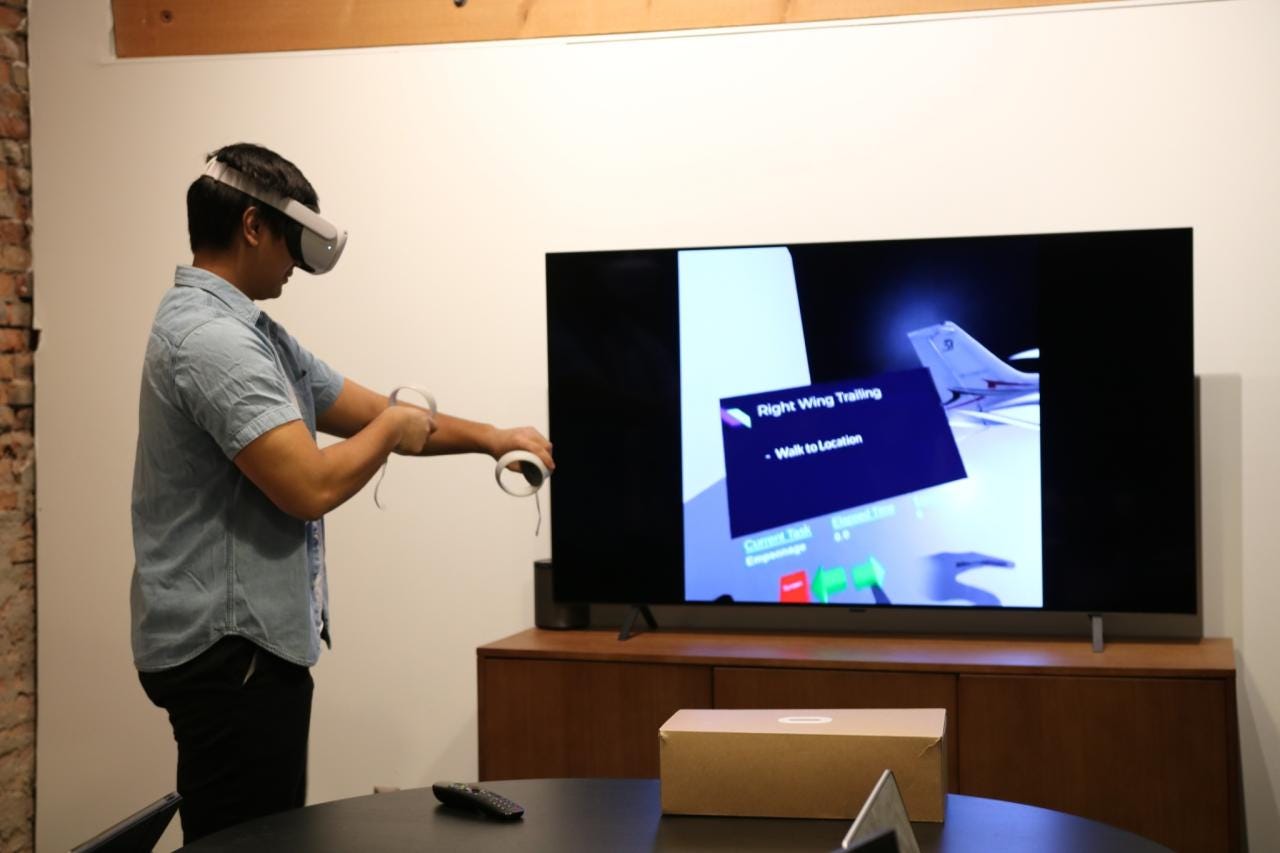
In the face of a critical global labor shortage, Canada-based Illumia Labs, a leader in generative AI-powered Digital Twin technology, is set to unveil its scalable, human-centered training platform at the Healthcare+ Exhibition in Taipei this December. The company offers a revolutionary solution to the healthcare industry’s looming crisis by using Artificial Intelligence (AI) to replicate the expertise of master clinicians and technicians.
The global healthcare industry is projected to be short of 10 million workers to meet the needs of the growing population by 2030 worldwide[1]. This massive demand is further compounded by generational shifts, where retiring practitioners take decades of institutional and clinical knowledge with them, creating a widening knowledge gap for the next generation.
Illumia Labs directly addresses this challenge by transforming expert human knowledge into AI Avatar Instructors.
From Air Force Precision to AI-Powered Training Revolution
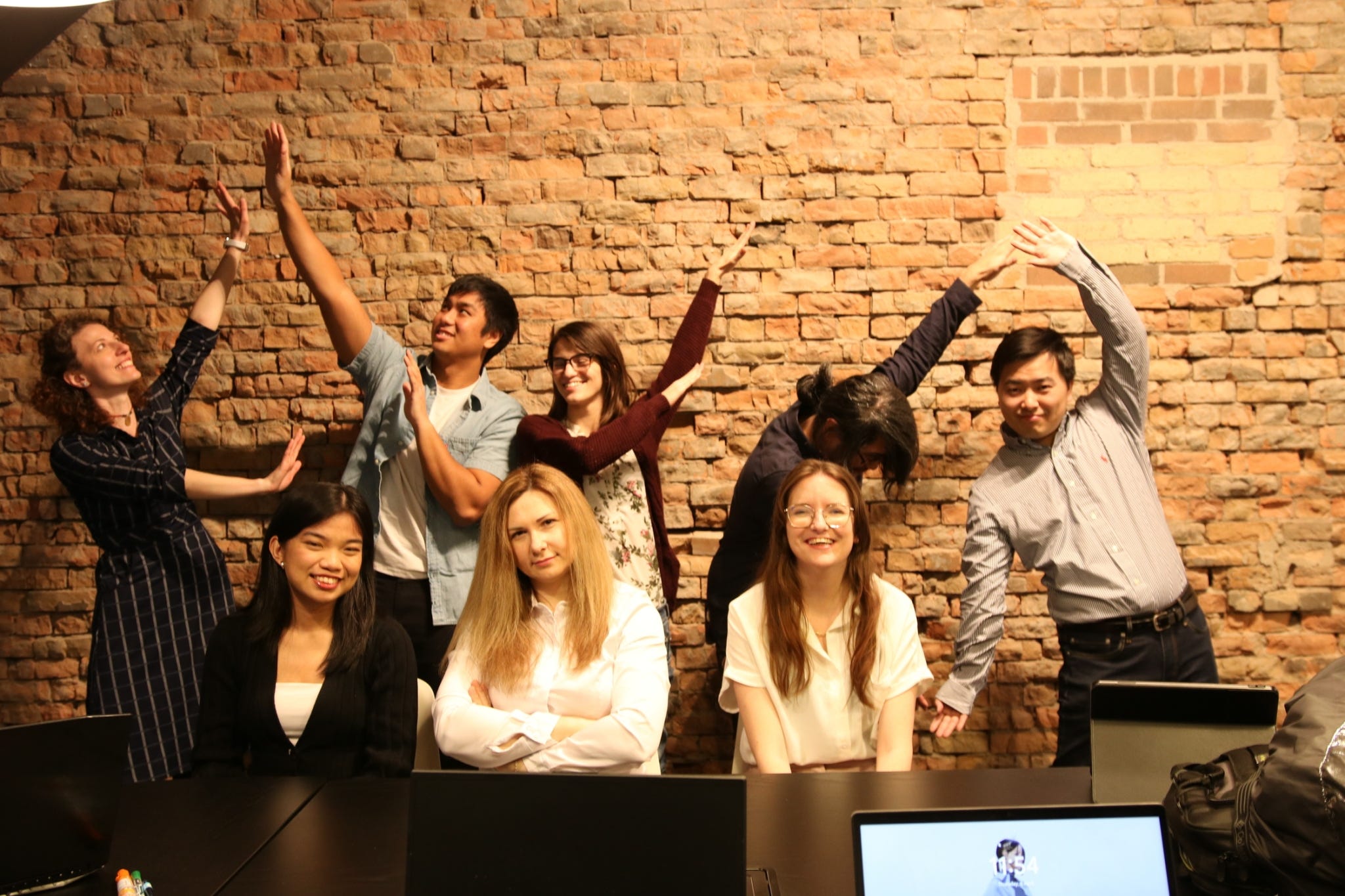
Co-founded by two former Singapore Air Force pilots who founded a startup that developed AR/VR/XR technology for pilot training in the beginning, Illumia Labs is presently tackling a critical global labor shortage by developing generative AI-powered “digital humans” that replicate the expertise, behavior, and assessment skills of master instructors and technicians.
In an interview with TechSoda, co-founder and CEO Alan Tay shared how the company’s immersive training technology is designed to enhance human capability, not replace it — and how Illumia Labs plans to leverage Taiwan’s robust AI technological infrastructure to scale its innovations.
“We’re not here to replace humans,” Tay explained that Illumia Lab’s mission is to upskill and empower the existing workforce.
The company’s core technology enables AI to replicate human instructors’ behaviors and assessment skills, embed these “digital humans” into immersive training environments using XR, VR or AR, and operate across various devices and sensors—from lightweight AR glasses to fully equipped training rooms.

The Digital Twin Solution for Clinical Excellence
Illumia Labs’ platform utilizes advanced Digital Twin technology to create virtual replicas of expert instructors. These AI avatars possess the specialized knowledge, subtle behavioral patterns, and complex assessment methods of top medical professionals.
Key benefits of this AI-Led Action-Based Training include:
24/7 Training Capacity: AI instructors remove the constraints of human availability, providing limitless, round-the-clock training access to students worldwide. This capacity allows organizations to increase training throughput without sacrificing quality.
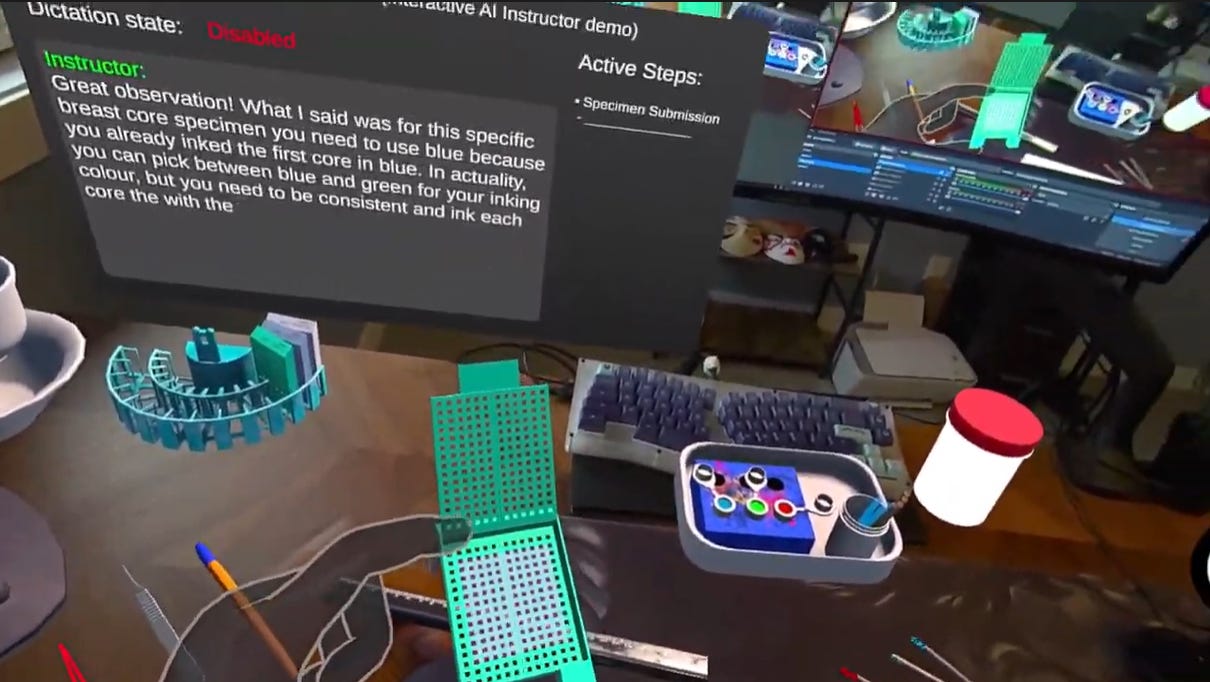
Adaptive and Action-Based Learning: Unlike simple conversational chatbots, Illumia Labs’ system provides real-time coaching and assessment while trainees perform physical procedures or engage in role-playing scenarios. This approach is vital for developing muscle memory and essential skills required in clinical settings.
Real-Time Assessment: The AI can observe and evaluate a trainee’s procedural efficiency, knowledge, movement, decision making and adherence to protocols, providing instant feedback and collecting data that can be used to meet accreditation and licensing requirements.
Customized AI for Diverse Healthcare Needs
One of the platform’s most powerful applications for the healthcare sector is its capability to manage complex, multilingual, and culturally sensitive scenarios, such as patient triaging.
As Alan Tay noted in a recent interview, the company has worked on solutions for triaging in Singapore, a highly multilingual environment where professionals must constantly switch languages ( English, Malay, Indian, Chinese) and understand cultural nuances. Illumia Labs’ technology is designed to:
Handle Multilingual Conversations: The system is capable of detecting and switching up languages as spoken, ensuring healthcare workers can practice communication in diverse linguistic environments.
Integrate Local Expertise: The platform follows an “80% complete” model, requiring collaboration with local medical Subject Matter Experts (SMEs) to define the final 20%—which includes region-specific protocols, local customs, and cultural taboos—ensuring the AI instruction is fully localized and relevant.
Illumia Labs in Asia: Leveraging Taiwan’s Infrastructure
Illumia Labs is aggressively expanding its presence across the Indo-Pacific region, viewing Taiwan as a strategic hub. The company is actively seeking partnerships with local hospitals, medical training centers, and post-secondary technical institutions to rapidly deploy their AI-driven solutions.
While global infrastructure challenges, such as 5G accessibility, remain a concern for widespread deployment, the company is optimistic about Taiwan’s advanced technological landscape. Success stories established in Taiwan are expected to serve as crucial pilot cases to scale the technology throughout Asia.
Illumia Labs invites everyone to visit them at the Healthcare+ Exhibition in Taipei in early December to experience the future of medical training firsthand.
[1] Scheffler, R. M., et al. (2022). The global health workforce stock and distribution in 2020 and 2030: a threat to equity and ‘universal’ health coverage? Human Resources for Health, 20(1).
Read the Mandarin version:
