
Canadian Startup WeCare Dynamics Prevents Senior Falls with Proactive, Non-Intrusive Radar Technology
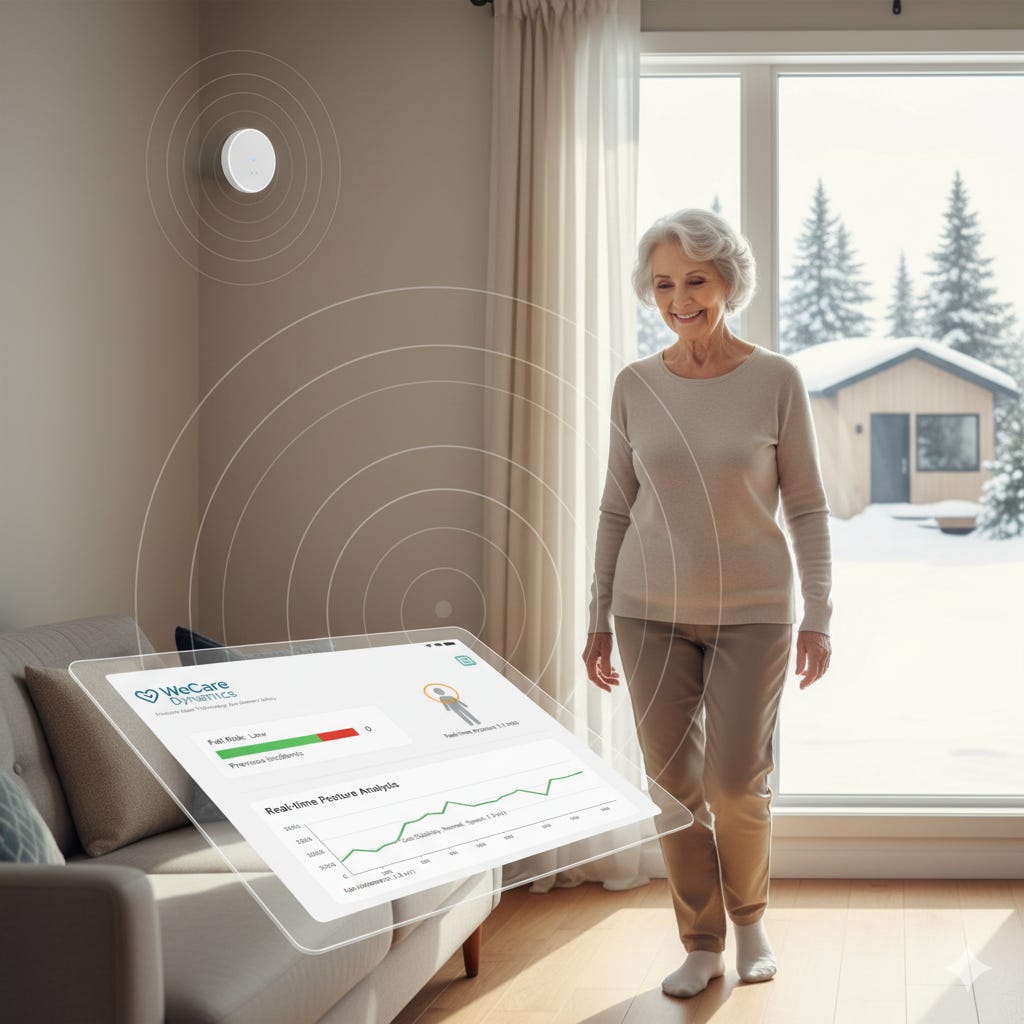
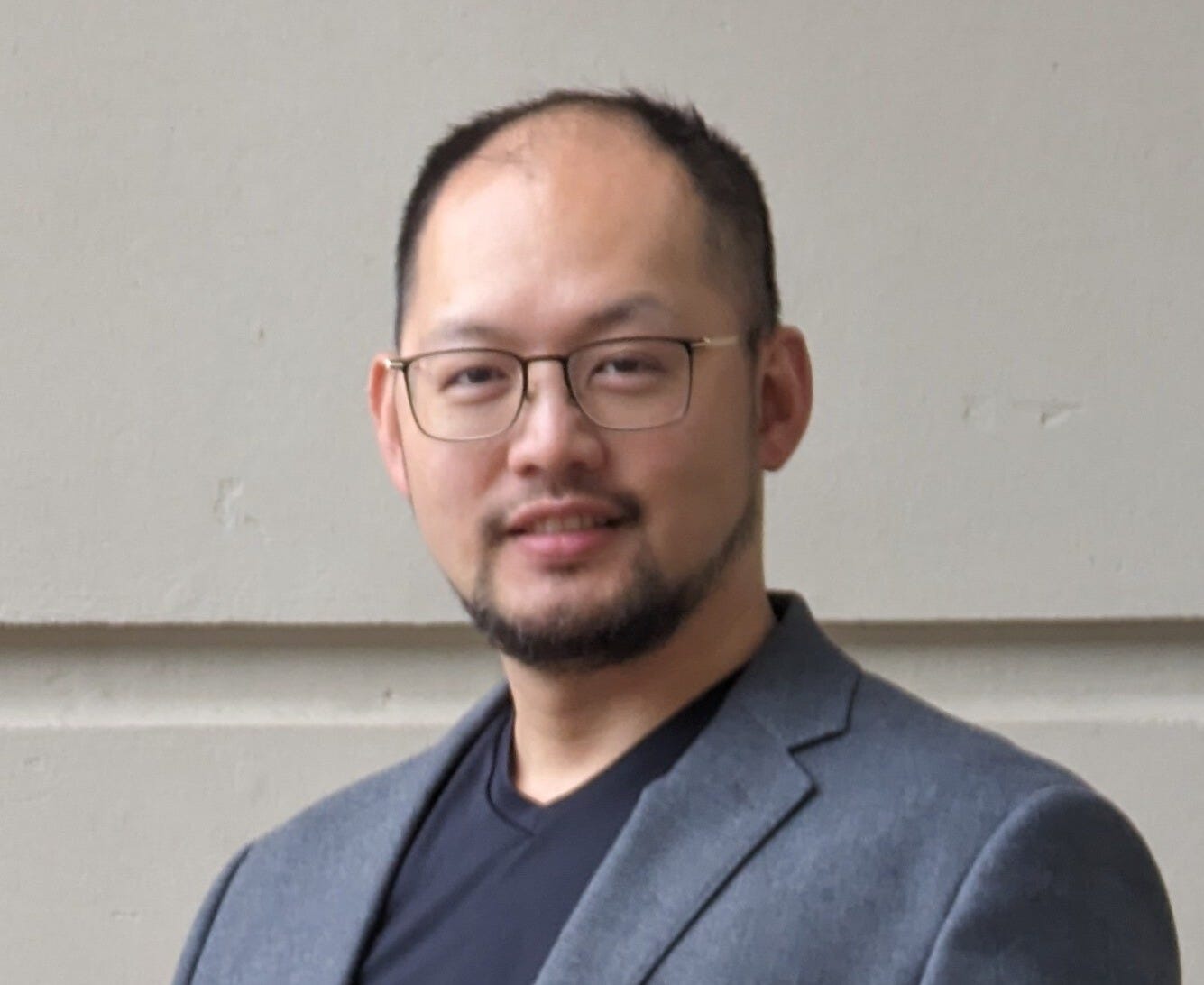
WeCare Dynamics, a Canadian technology startup established in 2023 and headquartered in Alberta, is tackling one of the most critical and costly issues in elder care: fall prevention. CEO Jeffrey Yu, drawing on 15 years of experience as a manager and operator across the spectrum of retirement living, from independent living to long-term care, recognized a systemic failure in current solutions.
“Every 20 minutes, a senior dies from a fall in North America,” Yu noted in a recent interview, emphasizing that falls contribute to the majority of long-term care admissions. He launched WeCare with a team of engineers and public health professors to solve this, adopting an Asian mindset of prevention instead of cure—a principle he argues is often missing in reactive Western medical technologies. The company’s mission is simple: to help seniors and loved ones “age in place” while protecting their independence and dignity.
The Non-Intrusive Advantage: Passive Wellness Monitoring
WeCare Dynamics’ core innovation lies in its use of mmWave radar technology, a highly sensitive, high-frequency radar that detects subtle movements, making it a passive, non-intrusive wellness monitoring tool. Unlike traditional medical alert pendants or watches—which Yu notes are often left on a bedside table when an incident occurs—the WeCare system works 24/7 in the background without requiring any user interaction, charging, or wearing.
The technology’s key advantage is its ability to penetrate darkness and steam, making it fully functional in bathrooms, a high-risk area for falls. Crucially, it detects vital signs like breathing and heart rate in addition to general activity.
“Nobody wants to be under surveillance and watched like a jailmate,” Yu stated, explaining that intrusive cameras and wearables compromise dignity. Instead of waiting for the alarm to trigger after a fall, WeCare detects deteriorating health long before. Yu calls these subtle signs “little insights and tips and crumbs that clue in, hey, grandma’s not doing well.”
For instance, the system tracks nighttime activity patterns, how often a senior visits the washroom, and overall mobility. This data provides insights into the progression of conditions like dementia. Yu cited a client they were able to monitor from slight to severe dementia simply by tracking routine changes, providing reassurance to caretakers who fear seniors wandering or getting lost, especially during cold North American winters.
Flexible Implementation and Economic Impact
WeCare Dynamics is primarily focused on a B2B model aimed at senior living operators, aligning with the statistic that 94% of Canadian seniors age in place. However, the system is designed for maximum flexibility across deployment and payment.
The hardware is designed for easy installation, working as a plug-and-play retrofit that mounts high in the corner of a room, with each sensor covering a standard 4x4 square meter space. For new construction, like the 100 units of independent senior living currently being built in British Columbia, the devices can be hardwired. Yu is keen to integrate the system into existing caregiver workflows so that nurses and staff “don’t have to learn a brand new thing.”
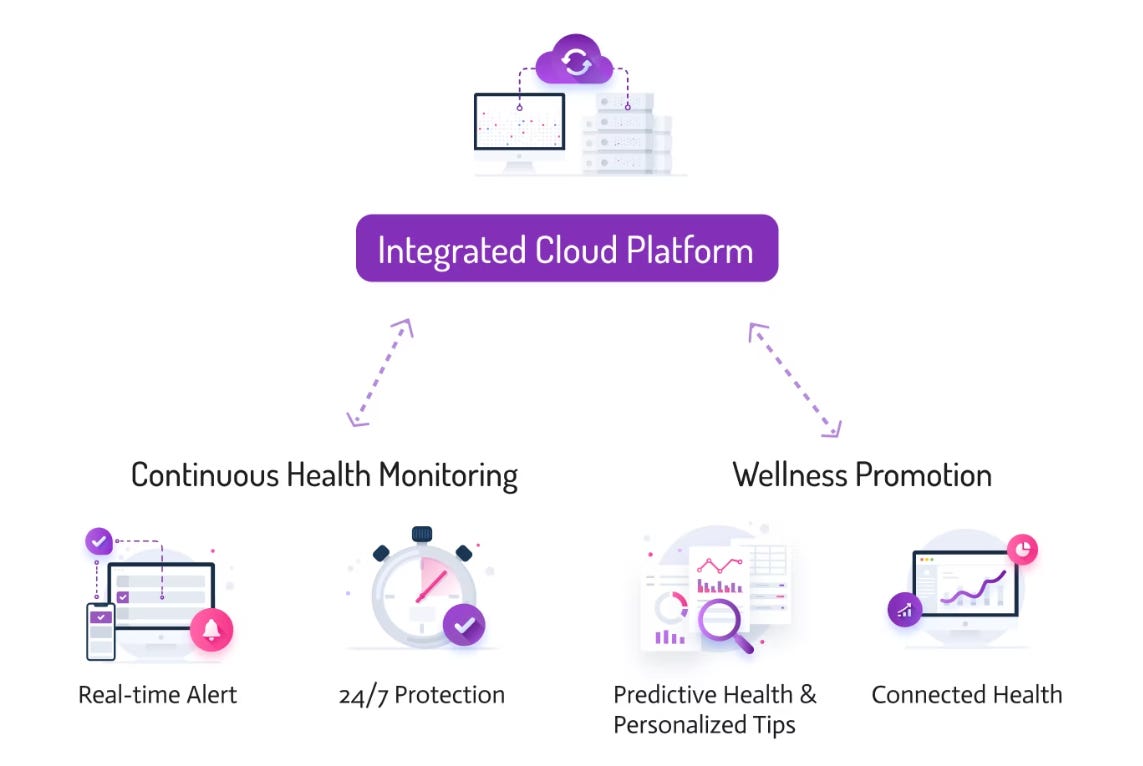
The business model is flexible, similar to a cell phone plan: clients can purchase the hardware outright or opt for a monthly fee to reduce the barrier to entry, covering the hardware, monitoring service, and AI-driven dashboard. Data is stored securely on Canadian cloud servers, though WeCare is open to providing independent, off-the-grid server installations for international partners, such as hospitals in Taiwan, that require local data storage.
Global Expansion and Collaborative R&D
Looking ahead, WeCare Dynamics is seeking strategic partnerships in Taiwan, focusing on three core pillars of collaboration: Distribution and Rollout, Technology Validation, and R&D Co-Development.
The greatest need is for technology validation—generating hard data to demonstrate the solution’s financial benefits. Yu noted that in North America, a single fall can cost the healthcare system around US$50,000. By preventing falls, increasing healthy longevity, and reducing caretaker burnout, WeCare aims to prove that adapting its technology is not an option, but an economic necessity for governments struggling with resource constraints and rising long-term care construction costs.
“We want to go to the governments and say, hey, you know what, there’s not an option for you not to do this,” Yu stated. The company is seeking pilot studies with academic partners and hospitals—ideally 20 to 40 units—to validate metrics such as:
The number of prevented falls.
The increase in healthy years for seniors to live at home.
The percentage reduction in caretaker burnout.
Yu concluded with a strong vision for the future, believing that within five years, WeCare’s proactive monitoring capabilities will become “a norm for everybody,” granting families peace of mind and the dignity every senior deserves.
Read the Mandarin version:

Couldn't agree more. What if all healthcare adopted prevention?
Great read. I’m curious to know what specific radar technology the startup is developing, is it based on ultra-wideband (UWB) or millimeter-wave (mmWave) radar?